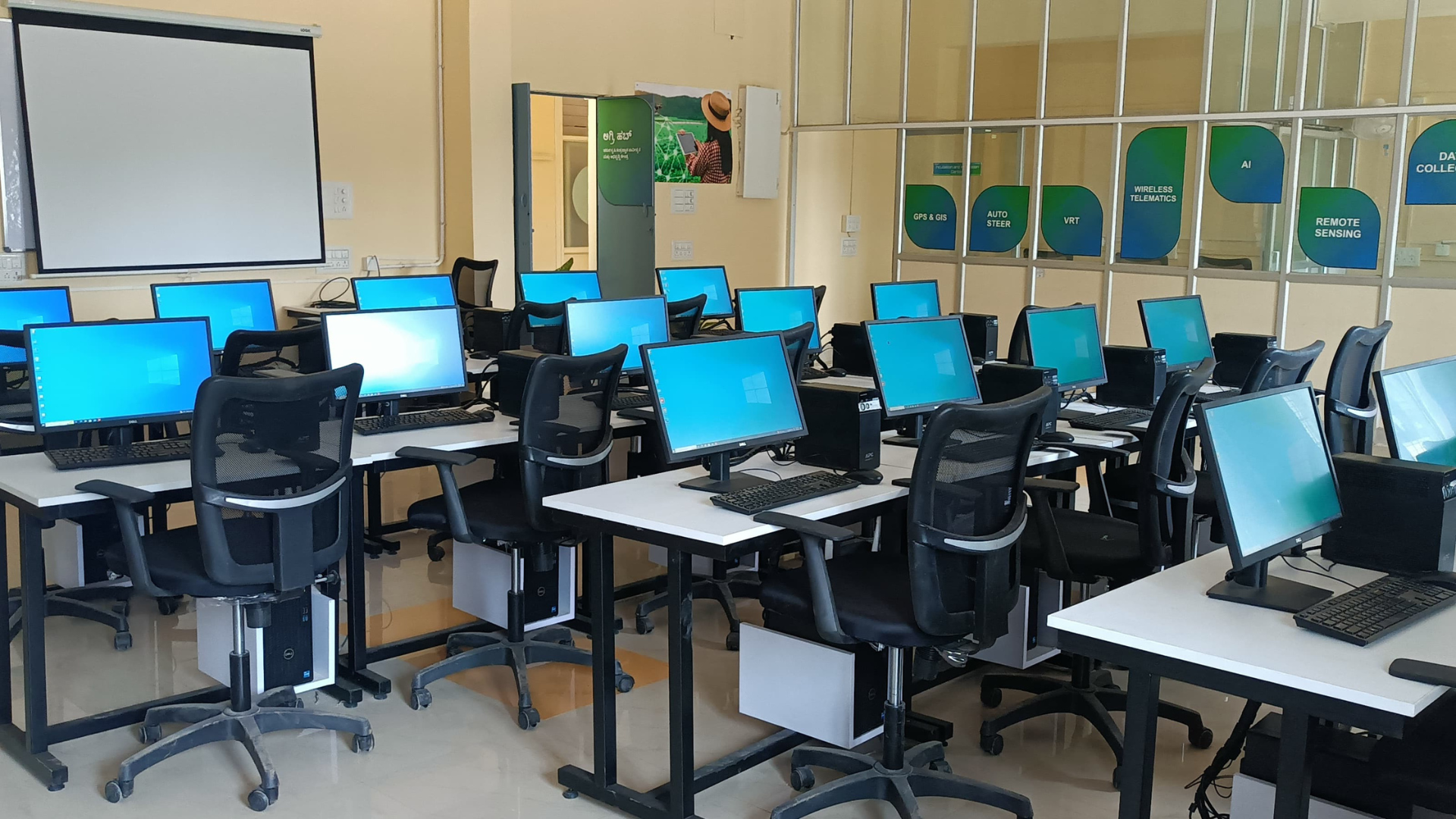
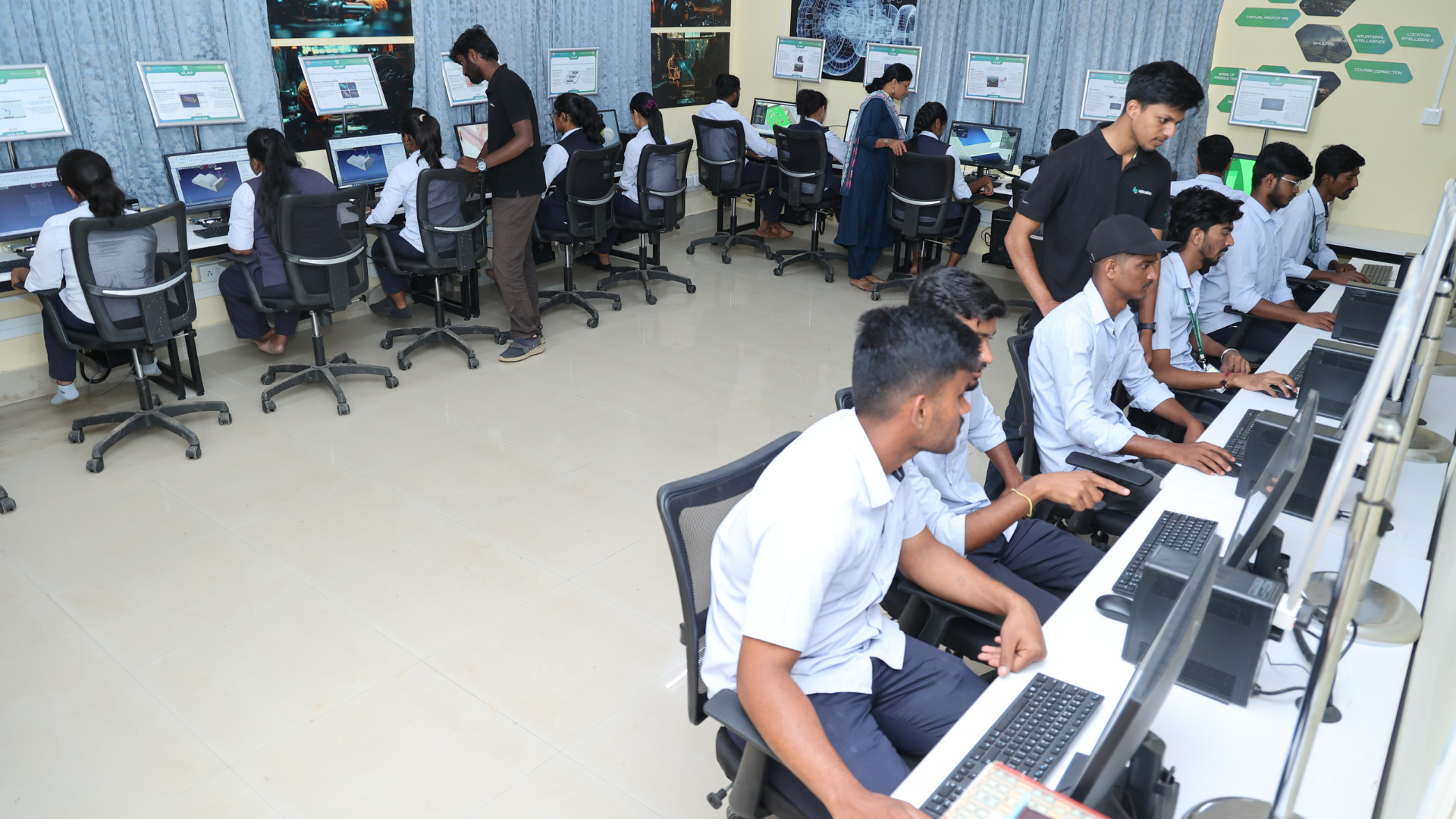
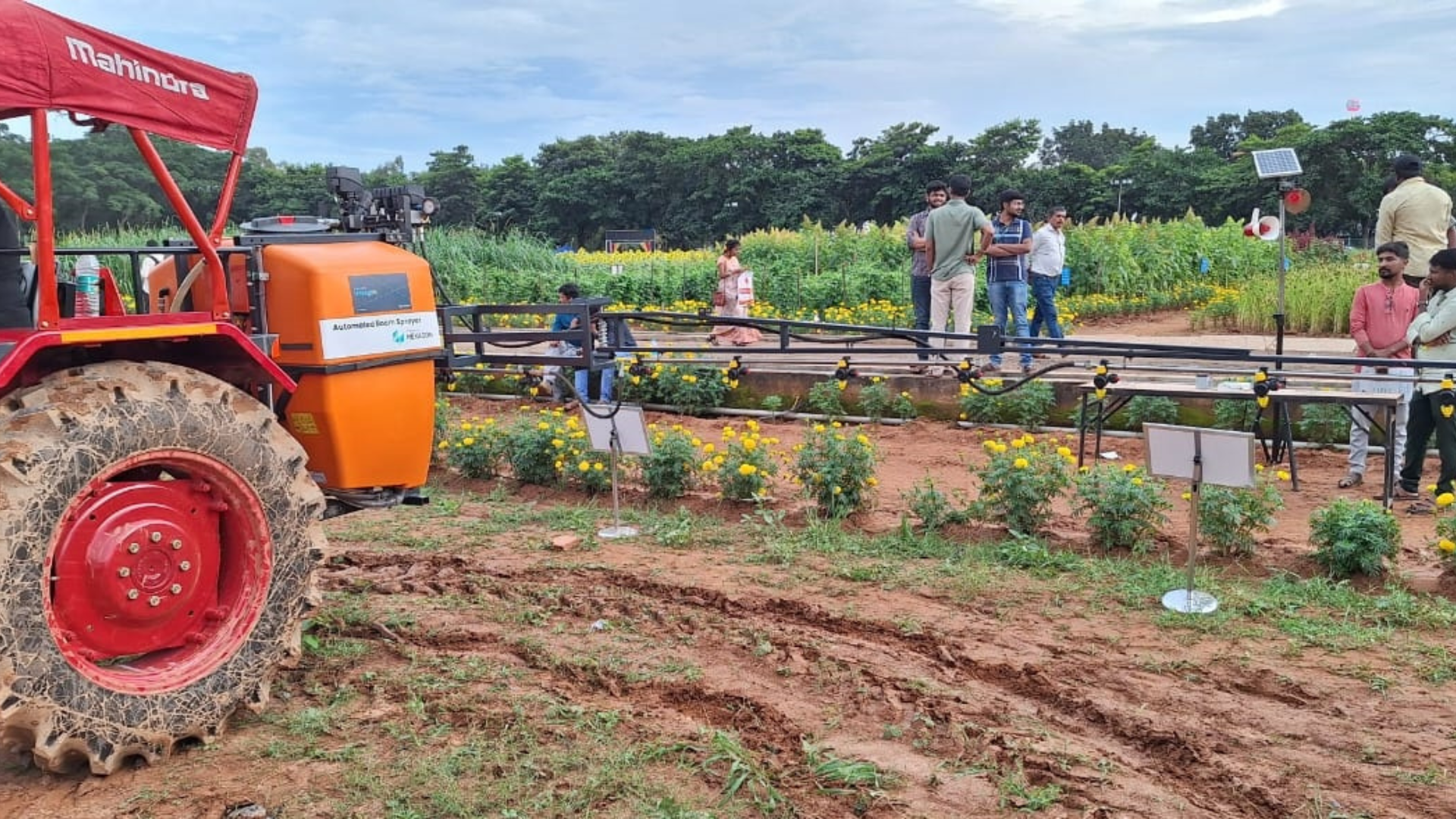
The Smart Precision Agriculture Lab focuses on the application of advanced technologies such as the Internet of Things (IoT), Artificial Intelligence (AI), machine learning, and big data analytics in modern farming. The lab is dedicated to the development of intelligent systems that collect and analyze real-time data from multiple sources including soil sensors, weather stations, satellite imagery, and crop monitoring drones. These systems provide farmers with precise recommendations for irrigation, fertilization, pest management, and harvesting schedules. The lab’s objective is to enhance decision-making capabilities, reduce input costs, and increase crop yields through site-specific crop management. By promoting data-driven agriculture, this lab supports the transition from conventional practices to a more sustainable, efficient, and profitable farming model.
Agri Automation Lab
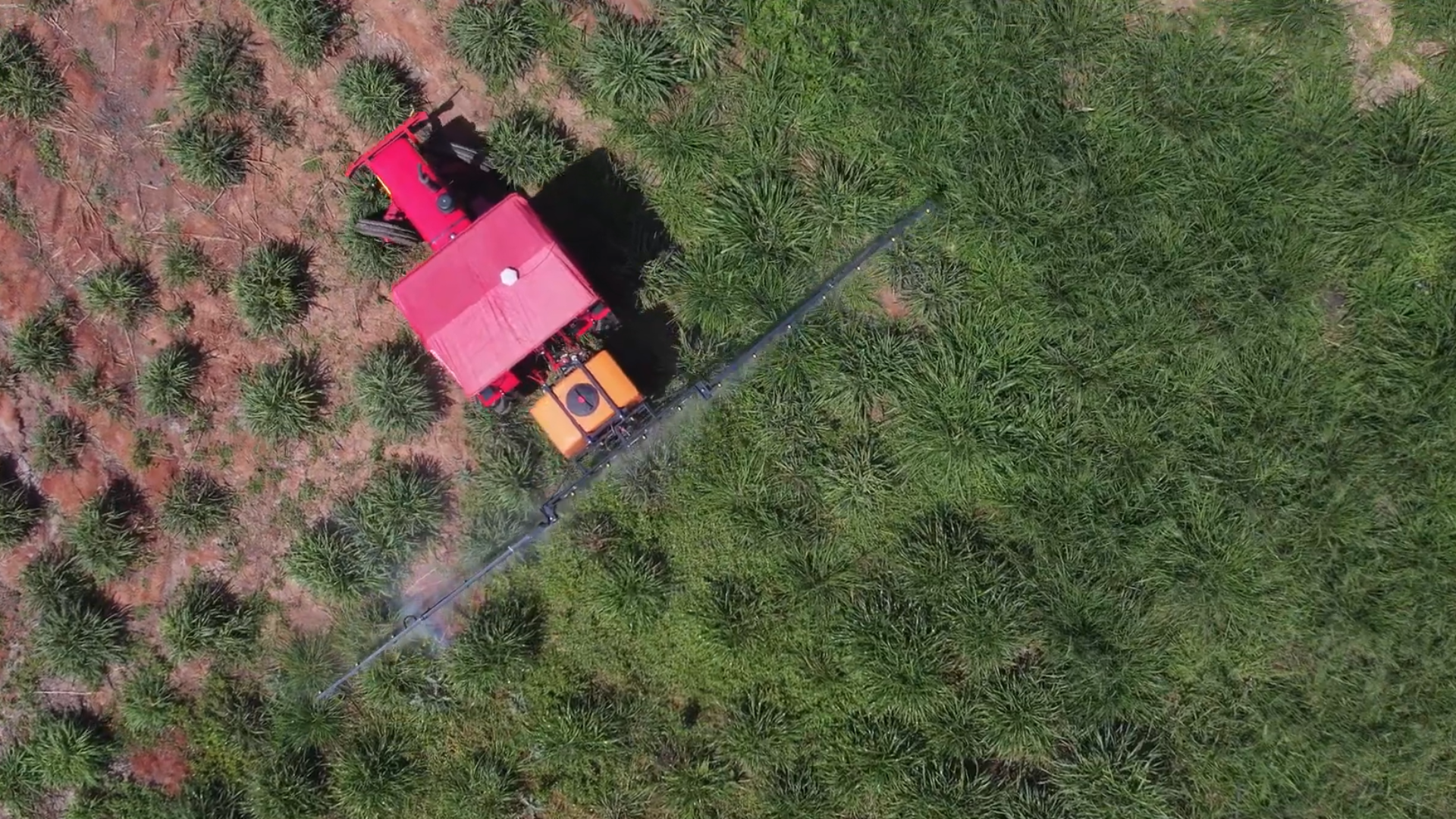
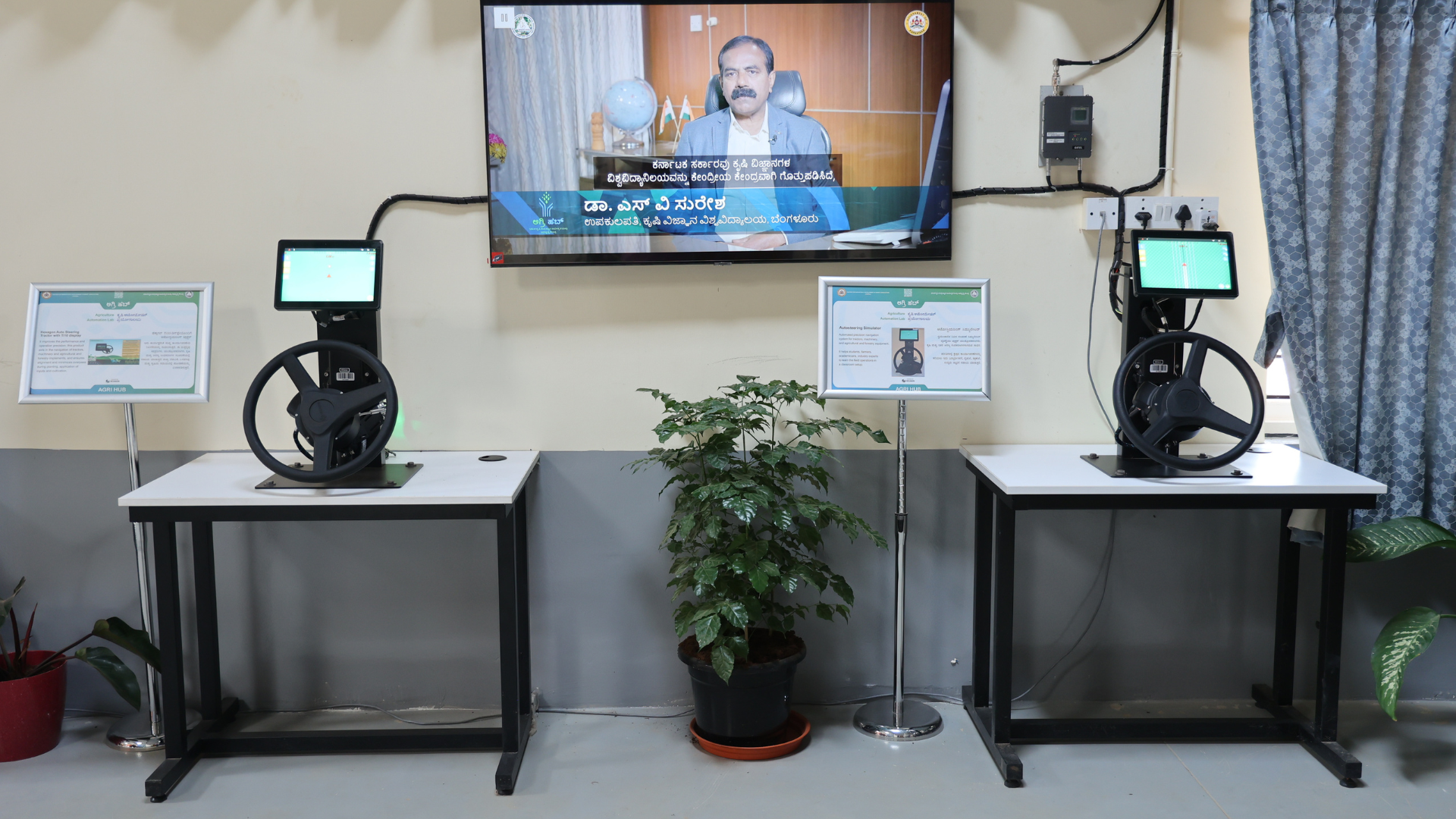
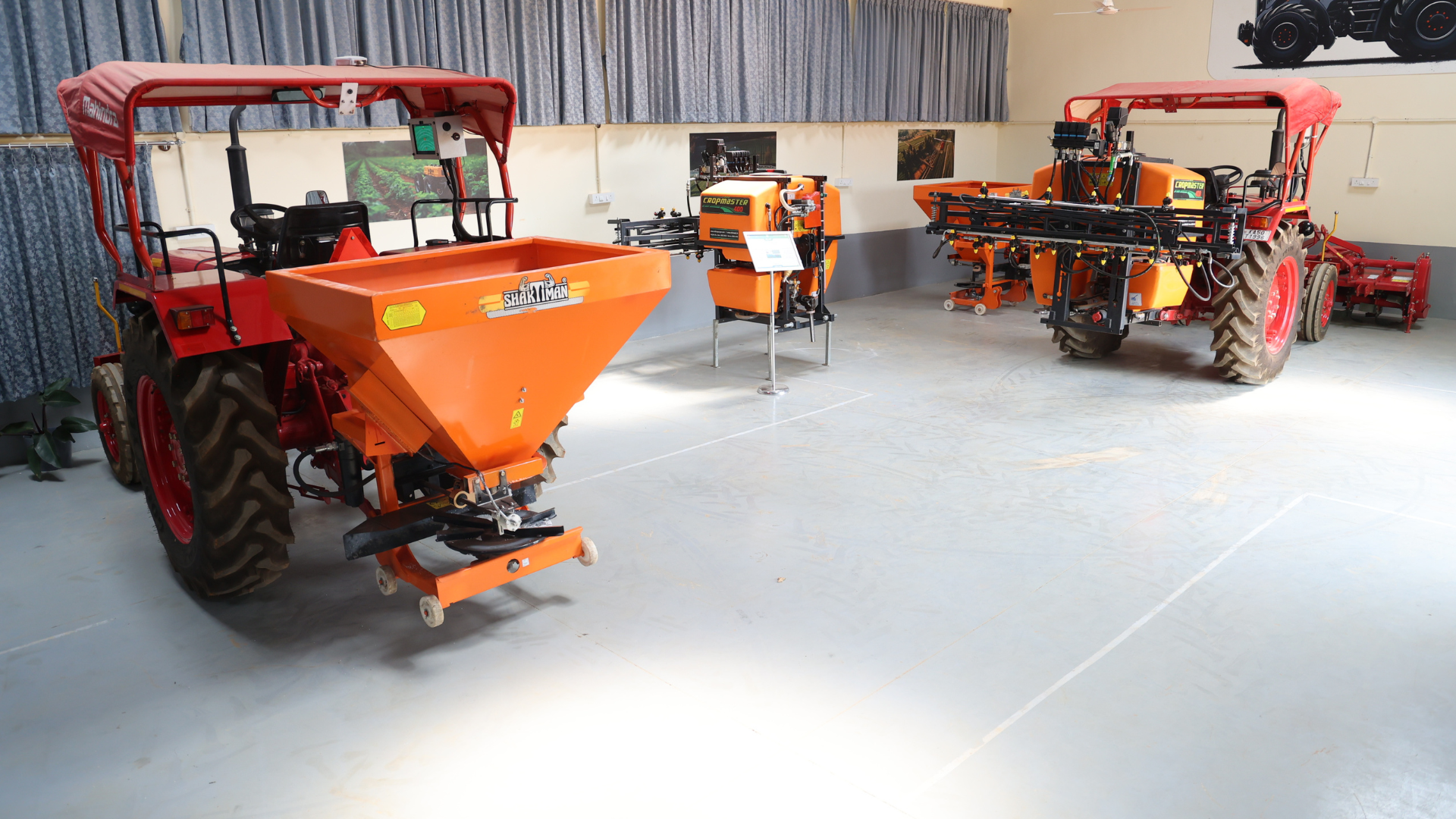
The Agri Automation Lab is committed to revolutionizing traditional farming methods through the development and deployment of automation technologies. It specializes in the design and testing of automated farm equipment such as robotic harvesters, automated seeders, sensor-driven irrigation systems, and autonomous tractors. The lab explores the integration of machine vision, robotics, and control systems to create machinery that can operate with minimal human intervention. Emphasis is placed on precision, consistency, and reducing labor dependency, particularly for repetitive or physically demanding tasks. By simulating real-world field conditions, the lab trains students and engineers in building and programming these systems, ultimately fostering innovation in agricultural mechanization.
Agronomy Lab
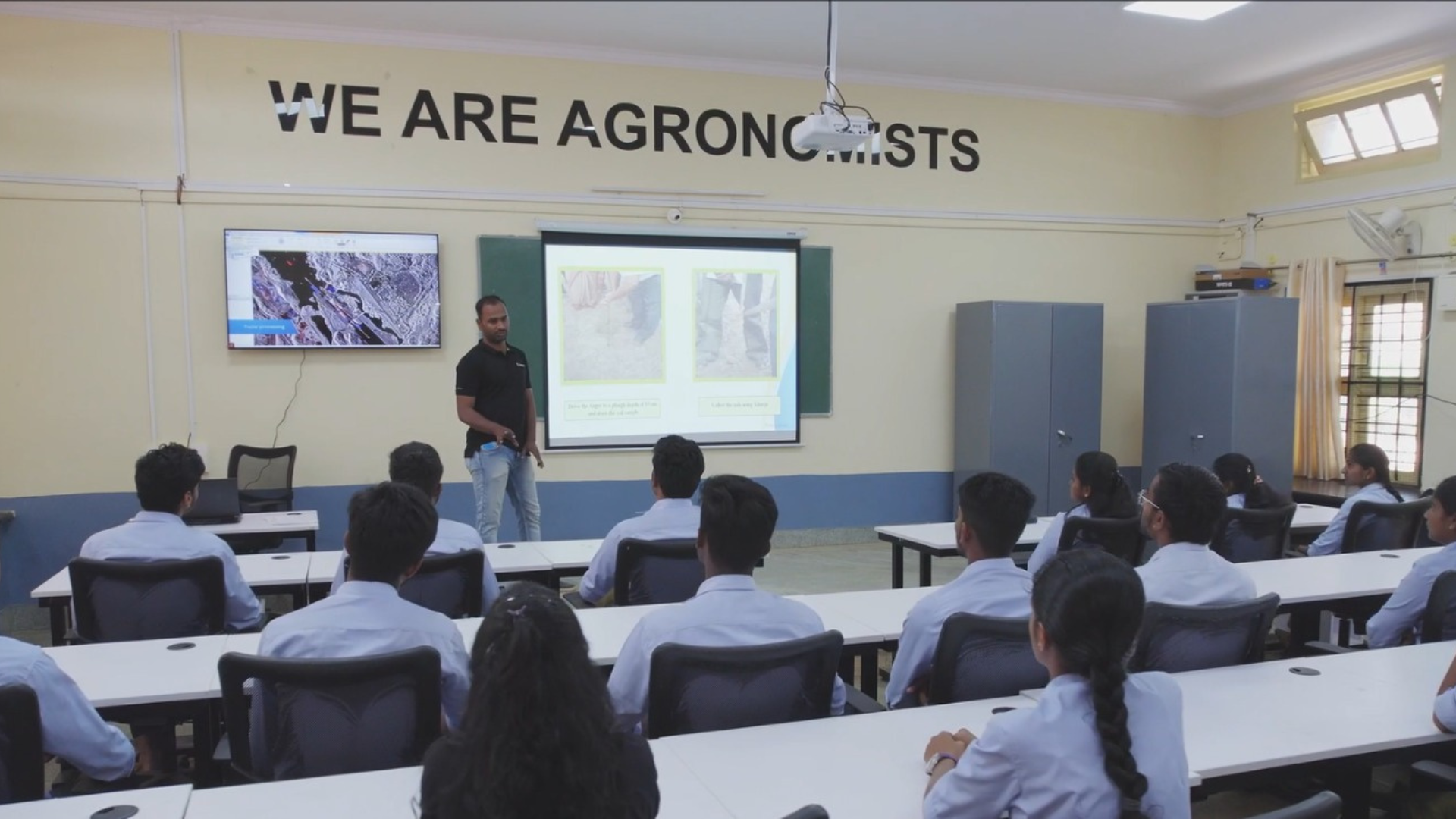
The Agronomy Lab serves as a vital resource for in-depth research and training in crop science, soil health, and sustainable agricultural practices. It focuses on understanding plant-soil-water interactions and their impact on crop productivity. Activities in the lab include soil testing, nutrient management experiments, plant growth monitoring, and trials on crop varieties and agronomic techniques. This lab plays a critical role in developing and validating best practices for crop rotation, intercropping, bio-fertilizer application, and pest management strategies. By offering a hands-on learning environment, the lab prepares students, researchers, and extension workers to implement and promote scientifically backed agronomic solutions tailored to regional needs.
Incubation & Entrepreneur Development Center
The Incubation & Entrepreneur Development Center is a dedicated platform that nurtures agri-startups and rural entrepreneurs by providing infrastructure, mentorship, technical support, and business development services. The center offers guidance on ideation, prototype development, product validation, and scaling up operations. It facilitates access to funding opportunities, government schemes, and market linkages, helping early-stage ventures turn ideas into viable businesses. Workshops, training sessions, and pitch events are regularly conducted to develop entrepreneurial skills and industry awareness. With a focus on agri-tech, food processing, and sustainable farming solutions, the center aims to build a vibrant ecosystem of innovation-driven agri-businesses that can generate employment and create social impact in rural areas.
Agricultural Equipment Innovation Lab
The Agricultural Equipment Innovation Lab focuses on the research, design, and fabrication of customized farm machinery suited for smallholder and mid-sized farmers. The lab emphasizes user-friendly, cost-effective, and sustainable mechanical solutions that enhance productivity and reduce the physical burden on farmers. Projects in the lab include the development of manually operated tools, mechanized weeders, low-cost harvesters, and post-harvest processing equipment. Students and researchers are actively involved in prototyping and testing innovations using computer-aided design (CAD) software and mechanical fabrication tools. The lab also collaborates with industry partners to commercialize successful designs. Its mission is to bridge the technology gap in rural agriculture and promote self-reliance through localized equipment innovation.
Advanced Agriculture Drone Technology Lab
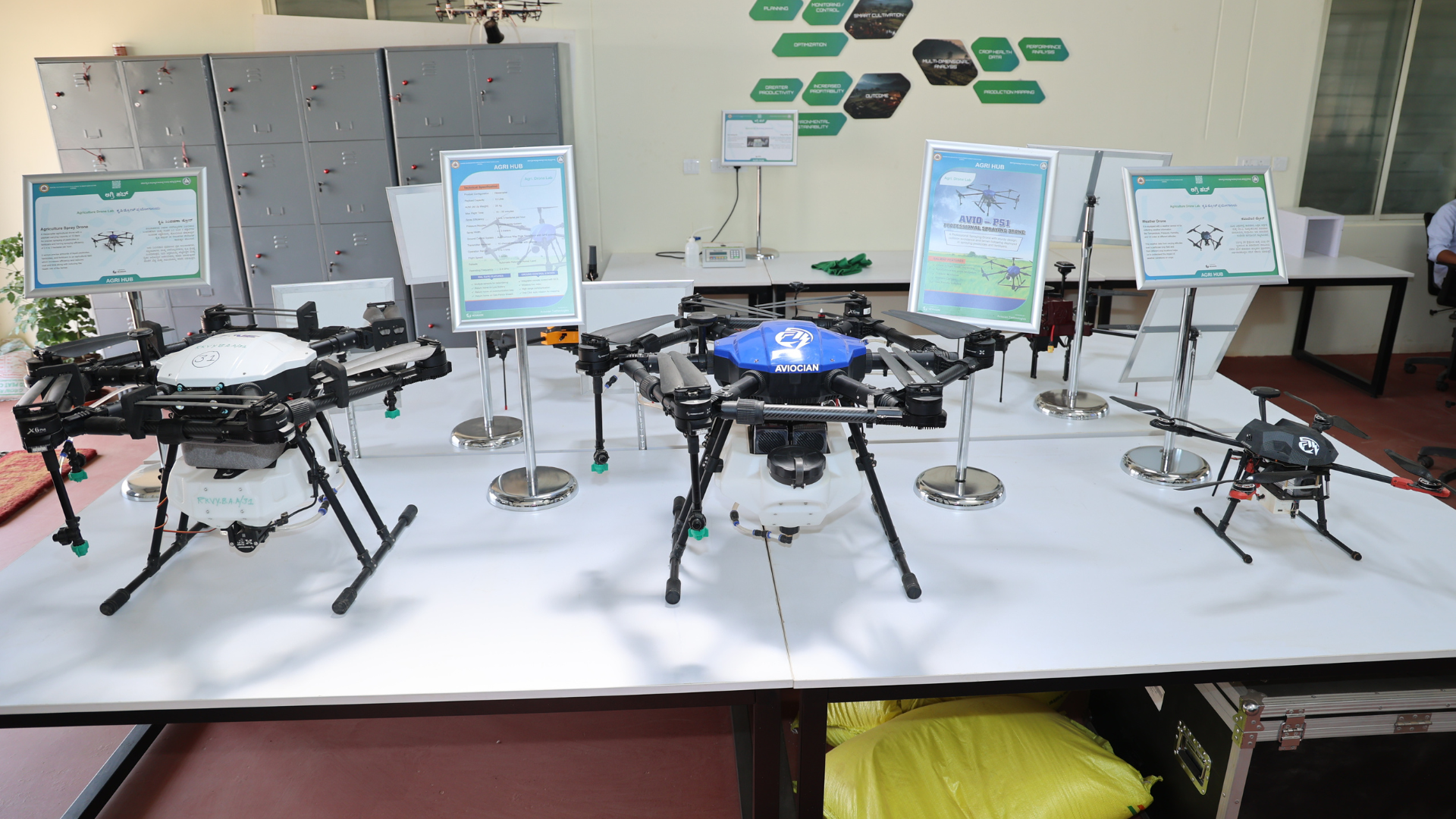
The Advanced Agriculture Drone Technology Lab is dedicated to exploring and deploying UAV (Unmanned Aerial Vehicle) systems for agricultural applications. This lab trains students and professionals in drone operation, aerial mapping, image processing, and automated spraying techniques. It focuses on high-resolution crop health assessment using multispectral and thermal imaging, which enables early detection of diseases, nutrient deficiencies, and water stress. The lab supports precision spraying of fertilizers and pesticides with pinpoint accuracy, reducing chemical usage and environmental impact. Data collected by drones is analyzed to generate actionable insights for field management. This lab plays a crucial role in making precision agriculture scalable and accessible, particularly for large farm operations and agribusinesses.
Geospatial Farming Solutions Lab
The Geospatial Farming Solutions Lab integrates Geographic Information Systems (GIS), Global Positioning Systems (GPS), and remote sensing technologies to support smart decision-making in agriculture. The lab offers tools and training for mapping agricultural fields, analyzing terrain, tracking pest outbreaks, and predicting yields based on historical and satellite data. It helps farmers and researchers understand spatial variability in soil quality, crop performance, and resource distribution. Through data visualization and geospatial analysis, this lab supports precision farming, irrigation planning, and climate resilience strategies. It also assists in land-use planning and policy-making by providing accurate, real-time data to stakeholders in the agricultural ecosystem.