
Shri Dhara
Soil-moisture intelligence & precision irrigation
Origin & History
The water layer, decoded.
Dhara (धारा) means 'flow'. India irrigates 70 million hectares but loses ~50% of applied water to inefficient flood irrigation. Building on the success of Israel's Netafim drip systems (1965) and India's Per Drop More Crop (2015) policy, Shri Dhara fuses tensiometer telemetry, soil-moisture sensors and ET₀ forecasting into a single irrigation prescription.
The Science
Soil-water tension is sampled at 15 / 30 / 60 cm depths every 30 seconds. Reference evapotranspiration (ET₀) is derived from the Penman-Monteith equation using the nearest IMD AWS station + crop-coefficient curves. Output: hourly volume-per-acre irrigation order pushed to drip valves or farmer SMS.
Crop Applications
How Shri Dhara shows up in the field.
Each crop responds differently to water-layer intelligence. Validated across ICAR + state agri university pilots.
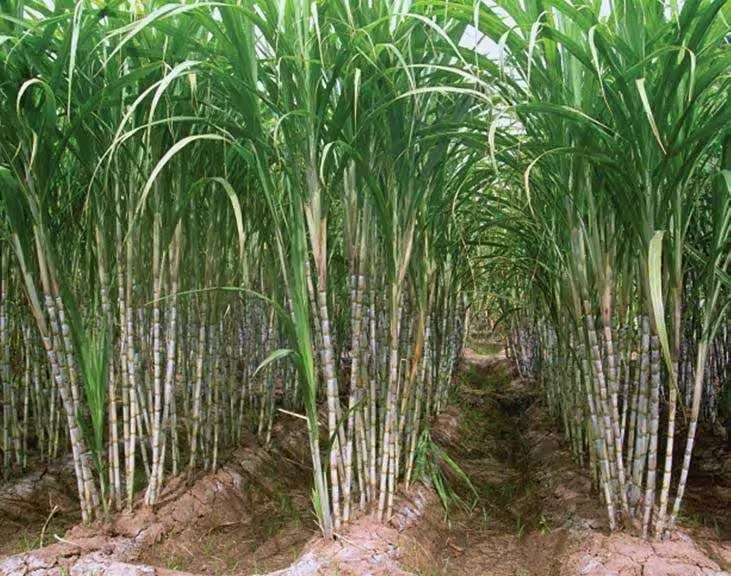
Sugarcane (drip)
Drip irrigation cuts water from 25,000 m³/ha → 14,000 m³/ha with no yield loss.
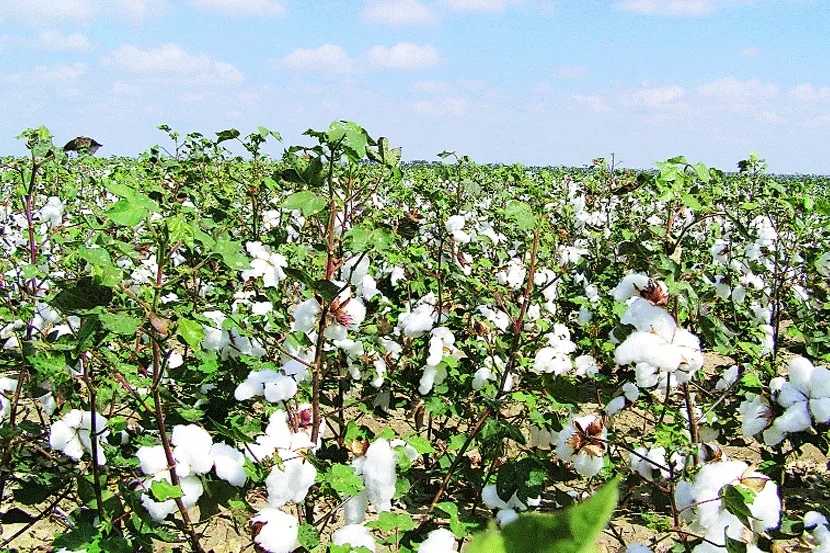
Cotton (rainfed+drip)
Vidarbha drylands — moisture-triggered supplemental irrigation saves 40% water.
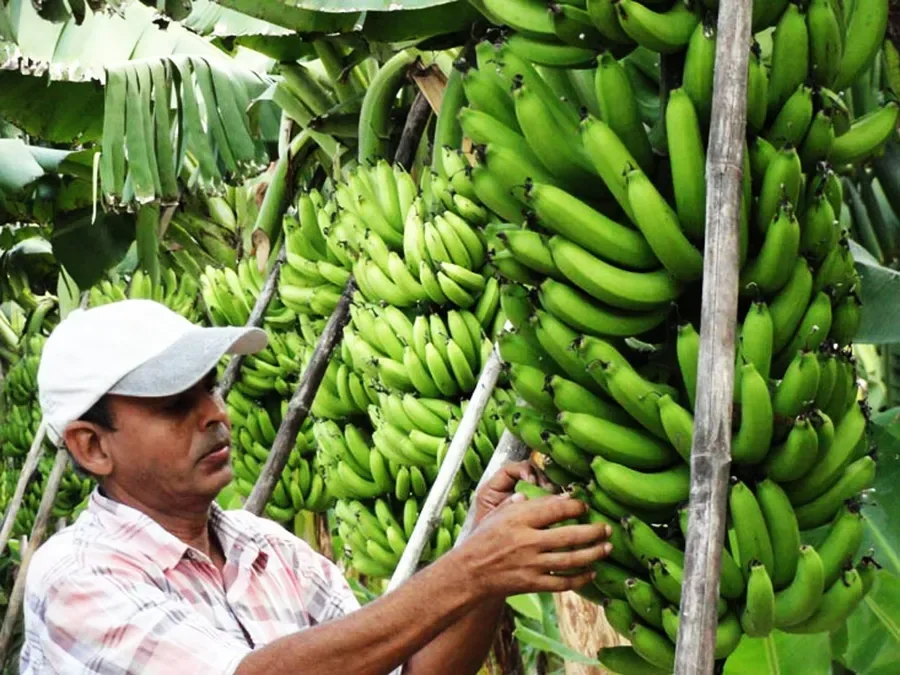
Banana
Bunch-stage moisture window (60–70 kPa) prevents fruit cracking.
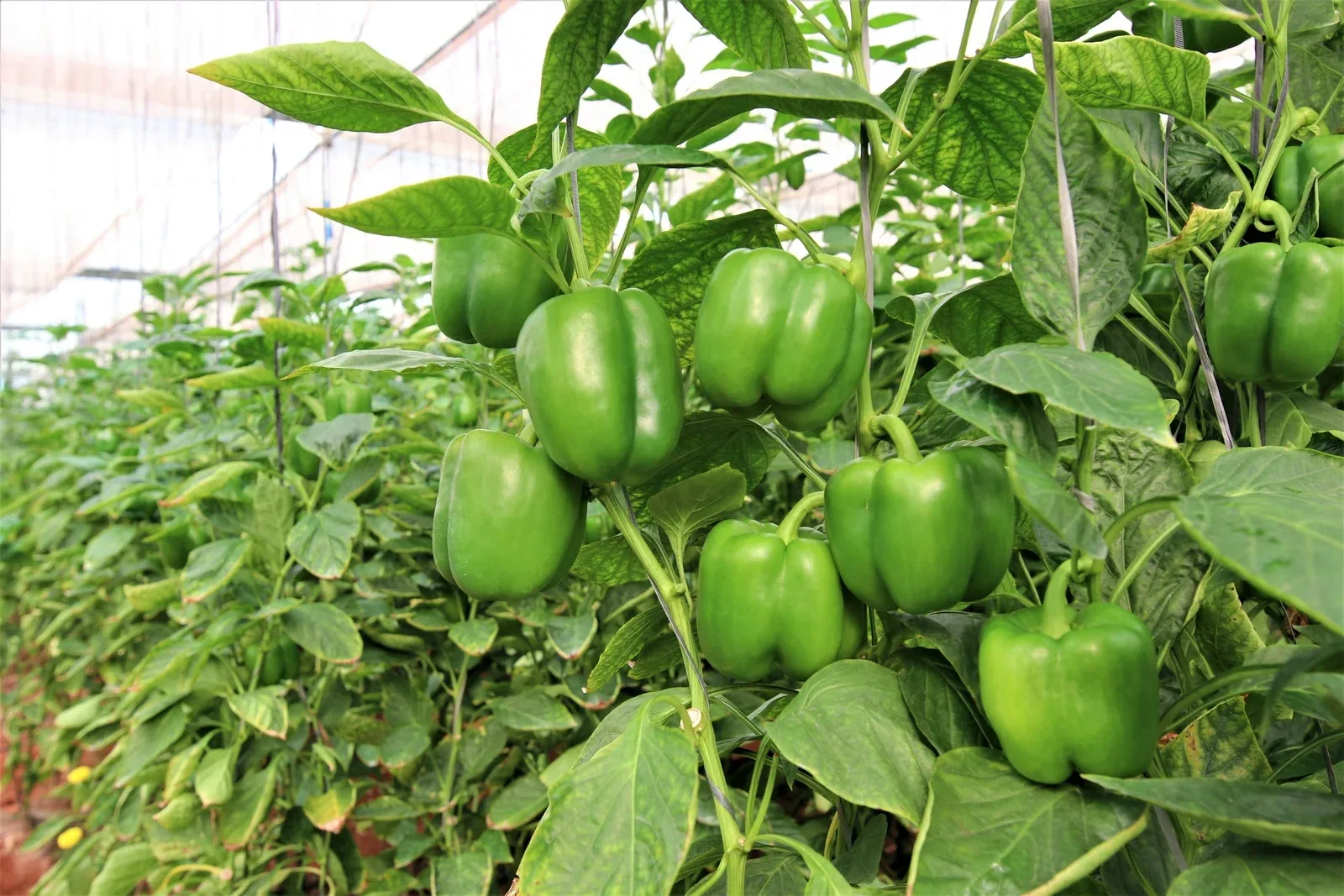
Vegetables (protected)
Polyhouse capsicum/tomato — Dhara orchestrates fertigation to 95% efficiency.
Practices across States
Crop × state ground-truth deployments.
How Shri Dhara is being practised today — drawn from state agriculture department programmes, ICAR institutes and CIDSA field partners.
Maharashtra
Crop: Sugarcane
Kolhapur belt drip-mandate (2024) coupled with Dhara IoT — proven 35% water savings.
Gujarat
Crop: Cotton
Saurashtra dryland cotton uses pre-monsoon profile-recharge + Dhara forecast triggers.
Karnataka
Crop: Tomato
Kolar polyhouse cluster — Dhara fertigation drives 28% yield uplift.
Tamil Nadu
Crop: Banana
Tiruchirappalli drip-irrigated banana — Dhara prevents over-irrigation at bunch stage.
Farmer Benefits
What the farmer takes home.
Shri Dhara translates field intelligence into bankable, measurable, daily outcomes — without locking the farmer into proprietary inputs.
Water savings of 30–45% vs. flood irrigation
Electricity savings 25% via reduced pump runtime
Salinity mitigation in arid zones (reduced upward capillary)
Yield uplift 12–28% from non-stressful moisture windows
Connect the Protocol
Explore neighbouring layers.
Shri Mantra is a connected protocol — these layers interact directly with the one you just read.